
Maritime & Salt Facets
Aveiro
Aveiro always had the water component in its soul; the city was founded on maritime trade and salt production.
During the Portuguese Dictatorship Aveiro was one of Portugal’s primary ports for codfish, about 10 minutes south of Aveiro is the Maritime Museum of Ilhavo, solely focusing on codfish. The museum is a modern architectural gem designed by two prestigious Portuguese architects and nominated in 2003 for the Mies Van Der Rohe Award. It has four permanent collections that together tell the history of codfish in an intriguing manner, it even includes a codfish aquarium and decommissioned fishing vessel for visitors to true experience what life is like on board. Another interesting and fun component is an 18th century industrial fish market, in the heart of Aveiro that until today has the fishmongers selling their daily catches to bidders.
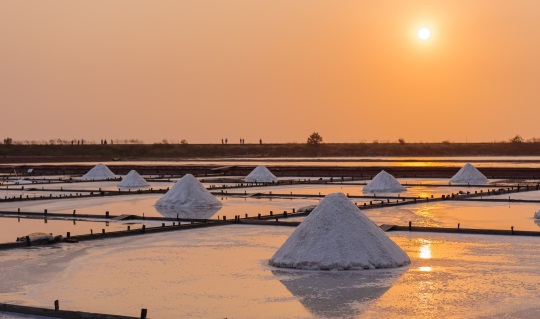
The salt production has always played a major role in this region; during a visit to the salt pans you’ll understand the millenary history, tradition and secrets behind it. From June until September, the visit can be enhanced with salty baths, these waters have therapeutic properties due to high salt concentration (higher than seawater), which aid with poor blood circulation, treatment of psoriasis and skin hydration.
The coast of Aveiro has two must-see sites that are the postcard of the city, Barra lighthouse the tallest in Portugal measuring 62 meters. And colorful wooden houses painted with strips of white and bright colors in Costa Nova, which used to be haystacks and shelters for fishermen in 19th century. Being by the coast, an array of water sports can be done along these beaches, including windsurf, kitesurf, sailing, canoeing, rowing and diving.